
Why Do I Wobble on One Leg, and How Can I Improve?
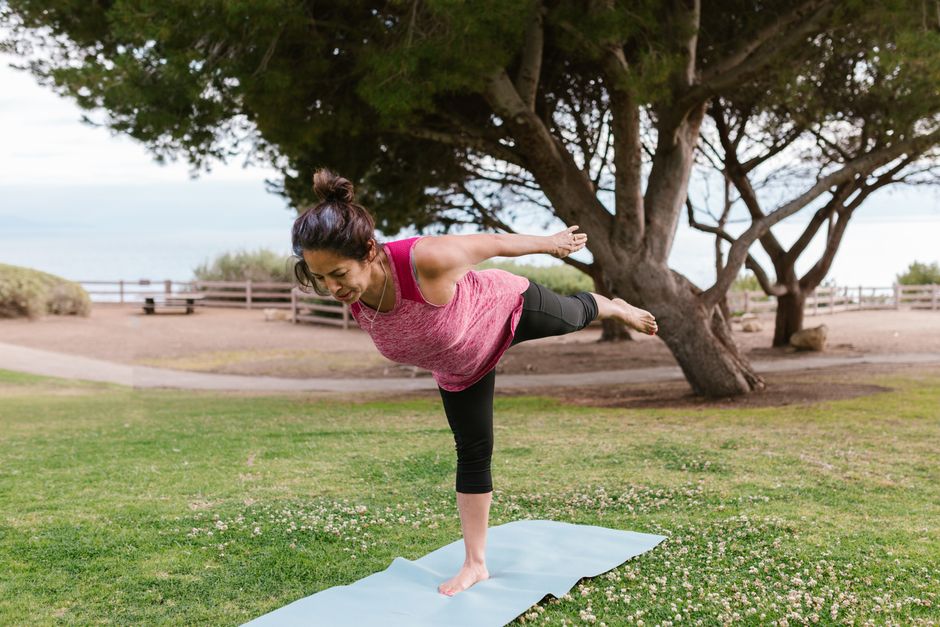
Wobbling on one leg is a sign that balance, strength, and ankle control are being challenged together; it does not automatically mean something is wrong. Build control with supported standing, then gradually reduce hand support and add small movements. Practice near a stable surface, keep the movement slow, and scale back if pain or unusual symptoms appear.
Why do I wobble so much when I stand on one leg?
You wobble because standing on one leg asks your body to control the hip, knee, and ankle while keeping your center of mass over a smaller base of support. Balance is not a single ankle trick: strength and the ability to sense and adjust body position both matter. The CDC’s STEADI guidance says effective fall-prevention exercise should train balance and strength and become more challenging over time.
That framework also explains why wobbling is useful information, but not a reason to force a harder variation. If your trunk swings, the standing foot repeatedly rolls, or you need to grab for support, the current task is too difficult to perform with control. Make the task smaller before trying to hold longer or add motion.
Start with a simple screen of the movement: stand beside a counter or stable chair, keep your hips level, and lift one foot just clear of the floor. Notice whether the wobble decreases when you lightly touch the support. That comparison helps distinguish a balance challenge from a lack of practice at the unsupported version; it is not a diagnosis.
How can I make single-leg exercises easier when I keep losing my balance?
Make single-leg exercises easier by reducing the range of motion, adding hand support, or returning to two-foot movements before progressing again. The NHS recommends a one-leg stand facing a wall with fingertips touching it, keeping the hips level, holding the lift for 5–10 seconds, and repeating three times per side. Use those NHS figures as a starting format, not a test you must pass before moving on.
A practical progression is to change only one demand at a time: first stand with both feet planted and shift weight gently from side to side; next try the supported one-leg stand; then reduce the amount of fingertip pressure. After that, introduce a small knee dip or a controlled step-up. Heel-to-toe walking is another low-equipment option identified by the NHS.
| Stage | Exercise | Make it manageable |
|---|---|---|
| 1 | Supported weight shift | Keep both feet on the floor and move slowly. |
| 2 | Supported one-leg stand | Use fingertips on a wall or stable chair; lift only as high as comfortable. |
| 3 | Small knee dip or step-up | Use a shallow range and maintain control on the way down. |
| 4 | Single-leg hinge | Reach the free leg back only a short distance; keep hips level and return upright steadily. |
The table is a sequence of movement choices, not a prescribed schedule. Cambridge University Hospitals NHS Foundation Trust advises beginning single-leg stance in front of a stable object and gradually reducing how much you hold on. For knee dips, its guidance cues slow movement, level hips, and directing the kneecap over the third toe. If limited ankle mobility makes a dip feel cramped, use a shallower dip or a supported weight shift instead of forcing the knee farther forward.
Common errors are predictable: looking down and rounding the back, letting the hip drop, rushing through a repetition, or allowing the knee to collapse inward. Reduce the range and use support until you can keep the movement slow, the hips level, and the knee aligned over the foot. Only then add a more demanding reach, such as a controlled hinge at the hip with the free leg extending behind you.
Should I hold onto something while practicing balance exercises?
Yes, holding a stable support is appropriate when it lets you practice safely and with better movement quality. The NHS recommends doing the exercises near a wall or stable chair in case you lose balance, and Cambridge University Hospitals advises reducing hand support gradually as control improves. Support is a progression tool, not a shortcut that invalidates the exercise.
Use a counter, wall, or sturdy chair that will not slide. Begin with a light touch if that is enough; use a firmer hold when needed to prevent a fall. Then progress by changing one variable: lighter touch, a slightly longer controlled hold, or a modest movement. Do not combine all of these changes at once.
Balance and ankle-control training also has evidence beyond the mechanics of one exercise. A review published in the Journal of Athletic Training examined seven studies with 3,726 participants and found proprioceptive training was associated with a lower ankle-sprain rate in athletic populations. Its programs differed considerably in session length and frequency, so the review does not establish a single best dose or promise that a particular home routine will prevent injury.
Persistent pain changes the decision. Cambridge University Hospitals advises seeking physiotherapist or GP guidance if exercises are painful. DynamicHealth NHS Physiotherapy Service lists ankle pain after a fall or trauma, inability to bear weight, a hot, red, or swollen ankle, numbness or burning pain, and diabetes among reasons to seek medical review. These are reasons to get tailored assessment rather than pushing through a balance progression.
Frequently Asked Questions
Can single-leg exercises improve ankle stability?
Single-leg balance is one example of proprioceptive training, which practices awareness of body position and control. A review in the Journal of Athletic Training found that proprioceptive programs were associated with fewer ankle sprains among athletic populations, but the programs varied and do not establish one ideal routine for everyone.
How often should I practice balance exercises to see progress?
The NHS recommends practicing balance exercises at least twice a week and gradually increasing repetitions. The CDC’s fall-prevention guidance emphasizes progressive balance and strength exercise over a substantial total period of practice; research summarized there cites at least 50 hours, not a guaranteed timeline for individual progress.
The useful principle is progression without loss of control: choose a version you can perform steadily, practice consistently, and make it harder in small steps. A stable surface and an appropriate regression make the exercise more repeatable, which matters more than turning every session into a test.
Sources
- NHS: Balance exercises
- CDC STEADI: Exercise recommendations
- Journal of Athletic Training: Proprioceptive training and ankle sprains
- Cambridge University Hospitals NHS Foundation Trust: General stability exercises
- DynamicHealth NHS Physiotherapy Service: Foot or ankle pain
Disclaimer: This article is for general information only and is not medical advice. It is not a substitute for diagnosis or treatment by a qualified healthcare professional. Always speak to your doctor before acting on anything you read here.
You may also like

Why Has My Weight Loss Stopped, and What Should I Change?
Learn how to assess a suspected weight-loss plateau, audit food tracking, and make measured changes to activity without drastic cuts.
What Kind of Exercise Helps With Belly Fat After Menopause?
Compare walking, strength training, and intervals for menopause-related abdominal fat, with realistic weekly activity guidance and recovery considerations.
How to Choose a Weight-Loss App Without Falling for Belly-Fat Claims
Compare weight-loss apps by their behavior tools, visceral-fat claims, privacy terms, and free-trial cancellation rules.

How Do I Choose a Local Zumba Class and Prepare for My First Session?
A practical guide to comparing beginner Zumba classes, preparing safely, choosing modifications, and finding an instructor who fits.