
How Do I Choose a Local Zumba Class and Prepare for My First Session?
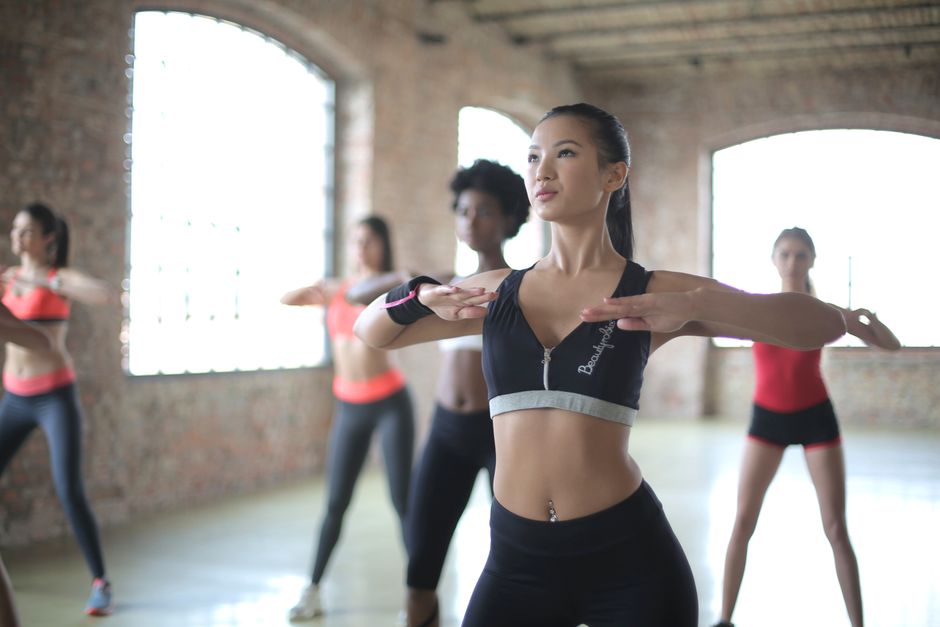
Choose a beginner-friendly class by observing it first, checking that the instructor can offer modifications, and selecting a format and pace that match your current fitness and comfort. Wear supportive shoes that let you move laterally, bring water, start with low-impact versions of movements, and treat the first class as a pacing session rather than a choreography test.
The useful first-class goal is not to nail every count. It is to leave knowing whether the instructor, room, music pace, and movement options make sense for a return visit. That lowers the stakes and gives you a clean decision instead of a one-class verdict.
How do I find a Zumba class that is suitable for complete beginners?
A suitable beginner class gives you room to learn, modify, and pause without making you feel that you are disrupting the room. Start by comparing formats and instructors, not just the closest time on a timetable.
The American College of Sports Medicine's 2025 facility guidance recommends visiting several facilities, observing classes and instructors, and considering a trial before joining. That is the right operating model here: watch one class if possible, then decide. A schedule listing tells you when a class happens. Observation tells you how it runs.
| What to check | Why it matters | A direct question to use |
|---|---|---|
| Class format | A stated lower-intensity option reduces the mismatch risk. | “Is this class designed for complete beginners, or is there a lower-intensity format?” |
| Instructor behavior | Clear cues and visible alternatives reduce cognitive load when the choreography changes. | “Do you show lower-impact options during class?” |
| Facility readiness | Qualified staff and emergency preparation are practical safety checks. | “Are instructors trained in CPR, AED use, and first aid, and is an AED onsite?” |
| Floor and space | You need enough clear room to step, turn, and stop safely. | “Where do new participants usually stand?” |
ACSM's 2025 checklist also covers instructor qualifications, emergency response planning, and whether an AED is available. These are not fussy questions. They are basic information for choosing a facility where the staff can respond if something goes wrong.
Format is the first filter. Zumba Fitness describes Zumba Gold as a lower-intensity format with easy-to-follow choreography focused on balance, range of motion, and coordination. Zumba Gold Chair is a seated, low-intensity option for people who prefer or require that setup for safety, comfort, or stability. If a standard class feels like a poor fit on paper, choose the lower-intensity format first. There is no prize for selecting the hardest room.
Use the same comparison habit that helps with other higher-stakes purchases: gather evidence before committing. The decision process in getting a second opinion on a car repair estimate follows the same core rule: do not confuse the first available option with the best-supported choice.
What should I wear and bring to my first Zumba class?
Wear clothing that lets you step, reach, and bend comfortably; use appropriate shoes for the activity; and bring water for before, during, and after class. The CDC's activity guide specifically advises appropriate shoes and clothing, hydration even when you do not feel thirsty, and a warm-up and cool-down.
The shoe decision is about movement, not branding. Zumba includes changing directions, so assess whether your shoes feel secure while stepping sideways and turning. Public data in the supplied sources does not identify one best shoe model or sole type for Zumba. That means the practical test is fit, stability, and whether the shoe lets you move without feeling trapped or unsteady.
- Wear: comfortable exercise clothing that does not restrict range of motion, plus shoes that feel secure during side-to-side steps.
- Bring: water and any information you need to discuss an old injury, chronic condition, or required modification with the instructor.
- Arrive with a plan: stand where you can see the instructor clearly, often near the side or back rather than hiding behind a crowded center line.
- Use the warm-up: treat it as a movement check. If a joint hurts or a direction feels unstable, choose the smaller version before the pace rises.
The CDC activity guide says to select activity suited to age, fitness, skill level, and health status. That changes the job of preparation. You are not trying to dress for a performance; you are creating enough comfort and visibility to make sensible decisions in motion.
Can I do Zumba if I cannot keep up with the choreography?
Yes: keep the rhythm, use the smallest safe version of the move, and rejoin when the pattern becomes clear. Choreography is information, not a pass-fail test. Trying to copy every fast turn and jump at full speed is the wrong first-session strategy.
The intensity can be real. In a community study of physically inactive women, a Zumba class produced substantial time in moderate-to-vigorous activity compared with salsa dance, according to the Journal of Sport and Health Science study. A separate study of experienced female participants found that a standard class could be demanding, according to the Journal of Sports Science and Medicine. Those findings support a simple first-class rule: pace for the body you have today, not for the person nearest the front.
Use the Grounded Version. This is the replacement behavior for any move that feels too fast, too high impact, or too complex. Keep your feet closer to the floor instead of jumping. Make a squat shallower. Trade a full turn for a smaller directional change. March in place while you watch the next sequence. Then re-enter on the next repeat.
Use the Pause Script. Before class, tell the instructor: “This is my first class. I will use lower-impact options and may pause to learn the sequence.” That short sentence sets expectations without asking for special attention. If an old injury or health concern is relevant, add: “Is there a modification you want me to use for turns, jumps, or squats?”
The U.S. Department of Health and Human Services physical activity guidelines put the progression plainly: inactive people should “start low and go slow,” gradually increasing how often and how long they are active. The guidelines also say people with chronic conditions or symptoms can consult a health care professional or physical activity specialist about the appropriate type and amount of activity.
Watch for a hard stop signal. The CDC says to slow down or stop if you feel very tired, sick, or faint, or if your joints hurt. Replace the move with walking in place, water, and recovery. That is not quitting; it is choosing the next safe action.
Frequently Asked Questions
Are running shoes safe to wear for Zumba?
Running shoes may be an option if they feel secure and allow comfortable side-to-side movement, but the provided sources do not compare footwear types for Zumba specifically. The U.S. Department of Health and Human Services and the CDC both advise using appropriate gear and shoes for the activity and environment. Test your movement carefully, and choose a safer option if the shoe feels unstable during turns or lateral steps.
How can I make Zumba lower impact for my knees or ankles?
Replace jumps with grounded steps, reduce squat depth, make turns smaller, and pause when needed. Zumba Gold is an official lower-intensity format with easy-to-follow choreography emphasizing balance, range of motion, and coordination; Zumba Gold Chair is a seated, low-intensity option for people who prefer or require it for safety, comfort, or stability. The CDC advises slowing down or stopping when joints hurt.
Should I tell the instructor about an old injury before class?
Yes. Tell the instructor before class begins and ask what modifications are available, rather than waiting until a demanding sequence starts. ACSM specifically advises asking whether staff can meet special needs through modifications to equipment, facilities, or programs, while HHS says people with chronic conditions or symptoms can consult a health care professional or physical activity specialist about appropriate activity.
Run this short drill before booking: identify one class to observe, write your modification question, and decide which movement you will keep grounded if the pace rises. That is enough preparation for a useful first session.
Sources
- American College of Sports Medicine: Selecting the Right Fitness Facility
- Zumba Fitness: Find a Zumba Class Near You
- U.S. Department of Health and Human Services: Physical Activity Guidelines for Americans
- Centers for Disease Control and Prevention: Physical Activity Guide
- Journal of Sport and Health Science: Zumba Fitness and Physical Activity
- Journal of Sports Science and Medicine: Physiological Responses to Zumba
Disclaimer: This article is for general information only and is not medical advice. It is not a substitute for diagnosis or treatment by a qualified healthcare professional. Always speak to your doctor before acting on anything you read here.