
Why Does My Homemade Coffee Taste Bitter or Sour?
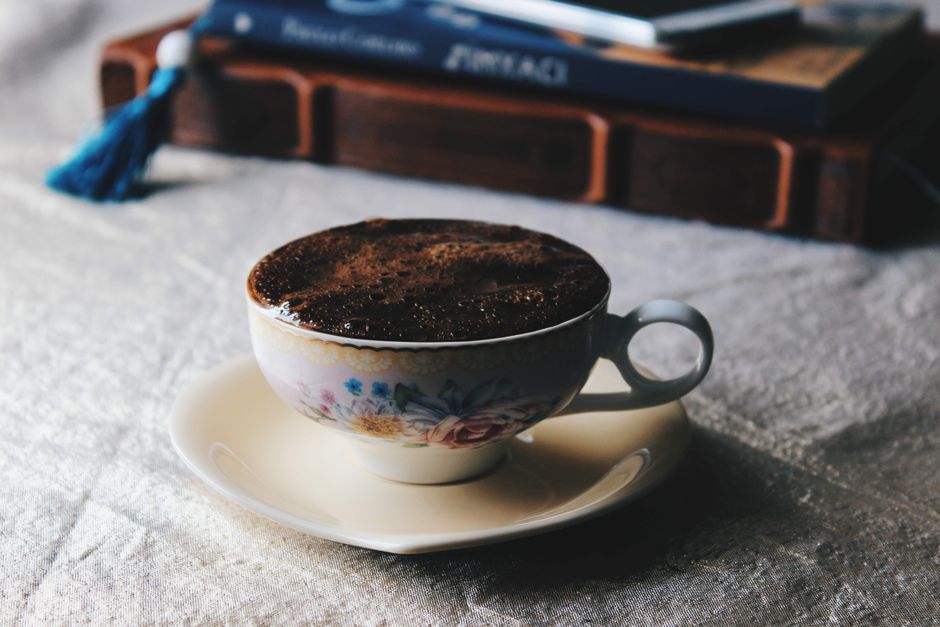
Bitter coffee usually points to high extraction; sour coffee often points to low extraction, while weak coffee can simply mean low brew strength. Adjust one variable at a time: grind finer or extend contact time for sourness, and grind coarser or shorten contact time for bitterness. Keep the coffee-to-water ratio steady while diagnosing, and consider freshness and water quality too.
Why does my homemade coffee taste bitter?
Homemade coffee tastes bitter when extraction is high: too much of the coffee’s soluble material has moved into the cup for a balanced flavor. The Specialty Coffee Association’s brewing control chart associates high extraction with bitterness. That makes bitterness a useful clue, but not a complete diagnosis; grind size, contact time, water temperature, and ratio all affect brewing.
Start with the variables that control how long water interacts with the grounds and how readily it passes through them. A grind that is too fine can slow flow, and very fine particles can clog filters and contribute to over-extraction, according to a peer-reviewed review in Beverages. If the brew is bitter, try a coarser grind or reduce contact time, changing only one of those at a time.
Do not confuse bitterness with strength. The SCA chart treats strength as total dissolved solids (TDS), the concentration of dissolved coffee in the drink, and extraction as how much soluble material has been taken from the grounds. A cup can be strong or weak independently of whether it tastes under- or over-extracted. Changing the ratio changes strength, so hold it constant while testing grind and brew time.
What makes brewed coffee taste sour or weak?
Sour coffee is commonly associated with low extraction, while weak coffee describes low strength; those are related possibilities, not synonyms. The Specialty Coffee Association says low extraction often produces under-developed flavors described as sour or grassy. Its chart distinguishes that flavor axis from TDS: low TDS means weak coffee, while high TDS means strong coffee.
For a sour cup, try a finer grind or a longer contact time so water can extract more from the grounds. The Beverages review identifies grind size, water temperature, contact time, and coffee-to-water ratio as important brewing variables. It reports that extraction yields of 18–22% are generally considered adequate in the reviewed literature, below 16% indicates incomplete extraction, and above 25% is considered excessive. Those are research benchmarks, not measurements you need to make for every cup.
For weak coffee that is not notably sour, adjust the ratio rather than assuming the grind is wrong. The SCA’s home coffee brewer standard uses 55 grams of coffee per 1,000 grams of water when testing brewers and targets 1.15–1.55% TDS at that ratio. Use that ratio as a consistent reference point. If the cup is weak, increasing coffee relative to water raises strength; if it is sour as well, diagnose extraction separately.
| What you notice | Likely starting adjustment | Keep steady while testing |
|---|---|---|
| Bitter or harsh | Try a coarser grind or shorter contact time | Coffee-to-water ratio |
| Sour or grassy | Try a finer grind or longer contact time | Coffee-to-water ratio |
| Weak but not sour | Use more coffee relative to water | Grind and contact time |
Should I change the grind size or brew time to fix bitter coffee?
For bitter coffee, try changing grind size or brew time, but change one at a time; a coarser grind or shorter contact time is the sensible first test. Both affect extraction, and changing both together makes it difficult to tell which adjustment helped. Keep the dose and water amount fixed, make the next brew, and judge the result before making another change.
Use the same method to correct sourness in the opposite direction: try a finer grind or longer contact time. Grind size also affects water flow through the coffee bed, so the same brew time does not guarantee the same extraction when the grind changes. Very fine grounds can clog filters; a finer setting is not an unlimited solution.
Freshness can complicate comparisons. In an SCA lecture on coffee freshness, freshness includes both physical degassing and chemical loss of aroma after roasting. Grinding accelerates gas release, and the lecture reports that coffee ground at different ages can flow differently during espresso extraction even when the grind setting stays the same. For repeatable results, store beans consistently and grind close to brewing where practical.
Water matters, too. The Beverages review explains that mineral balance—including calcium, magnesium, and bicarbonate—affects extraction and sensory properties. The SCA home-brewer standard specifies odor-free water without chlorine and gives test-water ranges for calcium hardness, alkalinity, and pH. These specifications help explain why water can change a brew, though they do not mean every home needs to measure minerals before troubleshooting.
The practical sequence is simple: choose a repeatable ratio, identify whether the problem is bitterness, sourness, or just low strength, then alter one relevant variable. Keep notes on the setting and result. The point is not to chase a universal recipe, but to make each adjustment interpretable.
Frequently Asked Questions
How much coffee should I use per cup of water?
The Specialty Coffee Association’s home-brewer standard uses 55 grams of coffee per 1,000 grams of water as its testing ratio. That is a useful, repeatable starting point; adjust the ratio to change strength, while keeping in mind that strength and extraction are different variables.
Can stale beans or hard water make coffee taste bad?
Yes. The Specialty Coffee Association describes freshness as involving both aroma loss and degassing, and its literature review identifies oxygen, temperature, and moisture as factors in staling. Water mineral balance, including calcium, magnesium, and bicarbonate, also affects extraction and sensory properties.
Sources
- Specialty Coffee Association, “Towards a New Brewing Chart”
- Beverages, peer-reviewed review on coffee brewing
- Specialty Coffee Association, “The Science of Coffee Freshness”
- Specialty Coffee Association of America, “What Is the Shelf Life of Roasted Coffee?”
- Specialty Coffee Association of America, SCA Standard 310-2021: Home Coffee Brewers
You may also like
How Do I Order Confidently at an Unfamiliar Asian Restaurant?
A practical guide to choosing dishes, checking spice, sharing plates, and handling dietary needs at an unfamiliar Asian restaurant.
What Is a Healthy Breakfast Without Eggs?
Build a quick egg-free breakfast with practical protein and fiber pairings, including overnight oats, lentils, yogurt, and whole grains.
How Do I Choose a Mid-Morning Snack That Prevents an Energy Crash?
Choose portioned, satisfying snacks for work, school, or travel that bridge breakfast and lunch without an energy crash.