
Do Bottled-Water Sales Bans Reduce Waste Without Limiting Access?
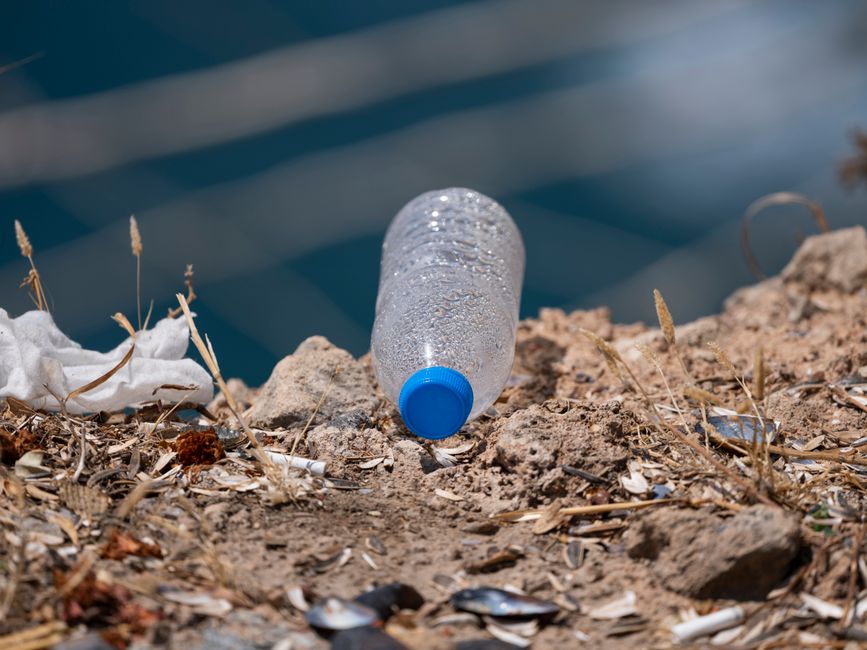
Bottled-water sales bans can reduce single-use plastic only when they are paired with convenient refill access and clear information about safe tap water. Campus and park studies show refill use can rise, but they do not prove that bans or refill stations alone eliminate bottled-water consumption. Before restricting sales, decision-makers should address refill access, tap-water trust, and what people can do when they need water but have no reusable bottle.
Do bans on bottled water actually reduce plastic waste?
Bans can help change where people get water, but the available evidence does not show that a sales ban by itself reliably reduces bottled-water use. The practical distinction is between replacing a purchase with a refill and simply shifting the purchase somewhere else.
At Allegheny College, a student survey in 2018–2019 found bottled-water use had fallen substantially since 2014, while use of refill stations had increased by 46%. The researchers linked the change to several measures together: more filtered refill stations, an education campaign, and other initiatives. They did not calculate a precise reduction in bottle tonnage, so the survey supports a change in behavior, not a quantified waste total.
There is a second limitation for bans on campus sales. A prior Allegheny survey found students bought most disposable bottles off campus. Removing campus sales may therefore move purchases beyond the boundary rather than remove the demand. A policy needs to match the places where people actually obtain water.
Evidence from public parks makes the same point. In a quasi-experimental study of 960 park visits across 10 intervention parks and 20 comparison parks, San Francisco’s Drink Tap program combined public tap-water stations and promotion. Compared with parks exposed to sugary-drink taxes alone, parks with stations and promotion saw an adjusted 80% increase in visitors drinking from park water sources and a 40% increase in visitors drinking from reusable bottles. But the researchers found no significant reduction in observed bottled-water, juice, or sugar-sweetened beverage drinking. More refill use did not automatically mean less bottled-water use.
That distinction matters when comparing policy tools. Restrictions limit where or whether sales happen; taxes change the cost of a purchase; refill infrastructure makes another option usable. A 2023 review by Parag, Elimelech, and Opher describes policy approaches including public-sector purchasing restrictions, sales limits, and taxes, while stressing the need for alternatives that are affordable, available, and trusted. A sensible sequence is to make refilling convenient, communicate clearly, and then judge whether a restriction changes actual use rather than just the point of sale.
What happens if I forget my reusable bottle where bottled water is banned?
If you forget your bottle, a ban can leave you with fewer immediate options unless the place offers an easy way to refill or obtain a container. That is a convenience problem with an equity dimension: not everyone arrives prepared, and a policy should not assume they do.
The Allegheny study found that in 2019, 94.4% of surveyed students already owned a reusable bottle. Even in a population where ownership was common, the main reported barrier to eliminating disposable-bottle use was a lack of refill stations in dormitories. Ownership alone did not solve access. A bottle is useful only when water is available where and when a person needs it.
The study’s background also describes why station placement matters. It cites Duke University data reporting that after 50 refill stations were installed, about 400,000 fewer single-use water bottles entered campus waste and recycling streams in 2014. It also summarizes research near Brisbane River litter hotspots: bottle litter declined downstream after refill stations were installed, but the effect was limited when reaching a station required a long walk. The lesson is direct: distance can defeat good infrastructure.
For someone who forgot a bottle, practical options depend on the site. A venue can provide a water fountain or refill point, sell or offer a reusable container, or allow a limited exception where no convenient drinking-water access exists. These are policy design choices, not outcomes established by the studies. The evidence does not set one universal rule for what a venue must do, but it does show why a ban without a usable fallback can create friction without demonstrating a reduction in consumption.
Are water refill stations accessible enough to replace bottled water?
Refill stations can replace some bottled-water use when they are nearby, easy to find, and paired with confidence in the water. Installing stations is a start; their location and the public’s trust determine whether people use them.
At Allegheny, the reported dormitory gap shows how a missing location can undermine broader access. The park study points to a complementary ingredient: promotion alongside stations increased drinking from park water sources and reusable bottles, although it did not significantly reduce observed bottled-water consumption. Together, these findings suggest that access and communication can change behavior, but neither result justifies claiming that stations alone make bottled water unnecessary.
Trust is not a minor detail. HUD’s 2022 review reports that perceptions of tap-water quality are often shaped by taste, appearance, color, and odor, and may differ from measured water quality. It also finds that minority and lower-income households are more likely to distrust tap water and seek alternatives, including bottled water. The review cites an estimate that avoiding tap water by buying bottled water costs households more than $5 billion annually, and notes that water-authority communication about quality is associated with greater household satisfaction.
That makes a blanket ban a poor substitute for solving the underlying concern. If a person doubts the water, a nearby station may not be persuasive on its own. Water authorities and site operators need clear, accessible quality information; the review specifically connects communication from water authorities with greater household satisfaction. As Parag and colleagues conclude in their 2023 review, more sustainable options also need to be affordable, available, and trusted.
For a city, campus, or venue assessing a ban, use a simple readiness check: Are refill points located along ordinary routes? Are they present in places such as dormitories where people spend time? Can visitors understand where to find water and what is known about its quality? What option remains when someone arrives without a bottle? The provided research does not define a universal station density or a single best policy. It does show that convenience, promotion, and trust are part of the intervention—not extras to add later.
Frequently Asked Questions
Do bottled-water bans affect people who do not trust tap water?
They can, especially when people rely on bottled water because of concerns about taste, appearance, odor, or safety. HUD reports that lower-income and minority households are more likely to distrust tap water and seek alternatives. A ban should therefore be paired with accessible water-quality information and trusted, affordable alternatives.
What alternatives should a city provide before banning bottled water?
Cities should provide convenient, maintained refill stations in the places people actually use, along with clear information from water authorities about water quality. They should also plan for people who arrive without a reusable bottle and for residents who do not trust tap water. The sources do not establish one universal number or spacing standard for stations.
The decision test is concrete: map where people need water, check whether refill access covers those locations, and ask whether the alternative is trusted by the people expected to use it. Then compare policy results against actual drinking behavior and waste data, rather than assuming that a sales restriction has done the job.
Sources
You may also like
What Are the Three Characteristics of Glycogen?
A student-friendly guide to glycogen's glucose units, branched bonds, and energy-storage role in the liver and muscles.
Why Is Archibald Garrod Credited With Linking Disease to Mendelian Inheritance?
Why Garrod's 1902 alkaptonuria study is a genetics landmark, and why disease description, inheritance proof, and gene discovery differ.

What Is Silicone, and How Is It Different From Silicon?
Learn how silicone polymers differ from elemental silicon, where PDMS appears, and why silicone is used in household products.